
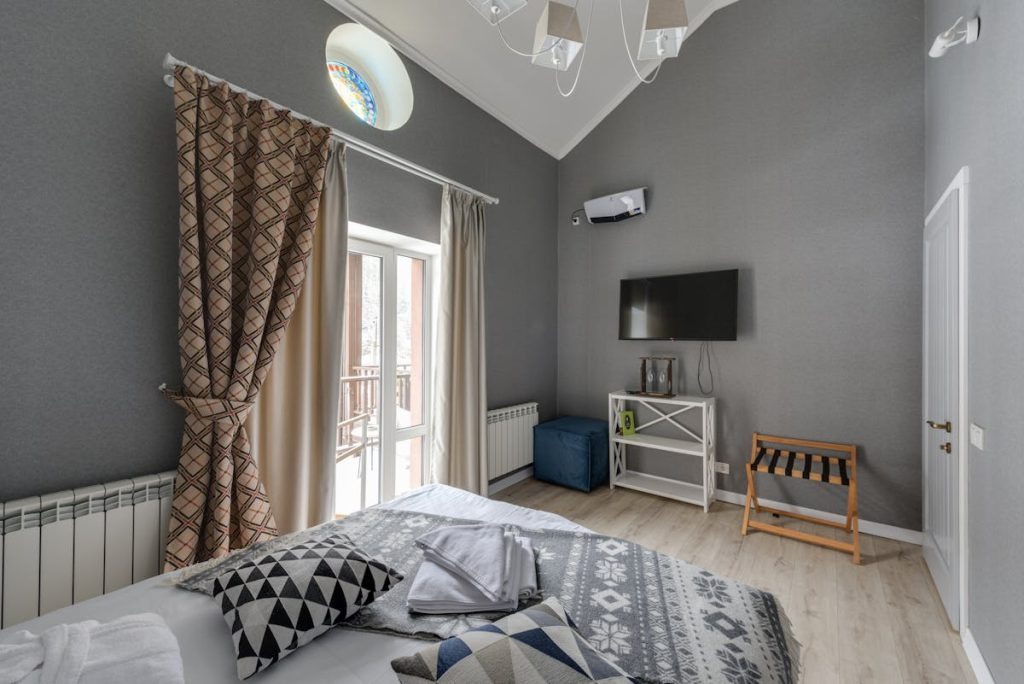
When patients face extended hospital stays, their environment profoundly influences their overall well-being and recovery. While medical care is critical, the ambiance and decor of healthcare settings play an equally important role in shaping the patient experience. This article delves into how thoughtful interior design and decoration can transform long-term care environments, promote healing, and improve patient satisfaction.
The Role of Environment in Patient Recovery
The physical surroundings of healthcare facilities are often overlooked, yet they can significantly affect a patient’s mood, stress levels, and even health outcomes. Hospitals that feel cold, sterile, and impersonal may increase anxiety and isolation, which negatively impact recovery. In contrast, spaces that incorporate warm colors, natural lighting, and comfortable furnishings foster a more inviting and calming atmosphere.
Research supports the idea that healing environments can accelerate recovery times and reduce the need for medications such as painkillers. For example, studies have shown that patients with views of nature or access to natural light experience lower stress and improved health markers.
By integrating elements like artwork, plants, and soft textiles, healthcare facilities can create spaces that feel less institutional and more like home. This helps reduce feelings of loneliness and promotes psychological well-being during long hospital stays.
Creating a Positive Ambiance Through Lighting and Sound
Ambiance is more than just decor. It also involves lighting, sound, and even scent. Proper lighting is essential to regulate patients’ circadian rhythms, improving sleep quality and mood. Soft, natural-like lighting reduces eye strain and creates a soothing environment compared to harsh fluorescent lights.
Noise pollution is another critical factor. Hospital noise—from machines, alarms, and conversations—can disrupt patient rest and increase stress. Effective soundproofing and use of soft background music help create a peaceful setting that aids healing.
Some facilities also use aromatherapy to add a calming sensory dimension. These subtle touches, combined with well-designed decor, work together to nurture both body and mind.
Decor Strategies for Long-Term Care Facilities
Designing long-term care spaces requires balancing functionality, safety, and comfort. Furniture and surfaces must be durable and easy to clean, but also visually appealing. Ergonomic layouts ensure patients can move safely, while personalizable elements help maintain individuality and dignity.
Color psychology plays a crucial role in healthcare design. Cool colors like soft blues and greens tend to calm patients and reduce agitation, while warmer tones like soft ochre or peach bring a sense of coziness and energy. Using these colors strategically can influence patients’ emotions positively.
Common areas should be designed to encourage social interaction, which is vital for mental health. Comfortable seating arranged in conversation-friendly layouts, combined with natural elements such as plants or water features, create inviting spaces where patients and visitors feel relaxed and engaged.
Examples of Effective Decor Choices
Many hospitals now incorporate modular furniture that adapts to changing patient needs, allowing rooms to be reconfigured easily. Art installations—especially nature scenes or abstract works—can provide visual stimulation and a mental escape.
Empowering patients to personalize their rooms with photos or personal items also boosts their sense of control and belonging, important factors in long-term psychological health.
Benefits of Enhanced Decor on Patient Outcomes
The impact of thoughtful decor on patient health is backed by solid evidence. Studies indicate that patients in aesthetically pleasing, well-designed environments report reduced anxiety and depression, lower blood pressure, and faster recovery times.
Positive surroundings contribute to higher patient satisfaction scores and better overall experiences. This, in turn, benefits healthcare providers by improving communication and cooperation with patients.
Practical Tips for Healthcare Facilities
Healthcare administrators looking to improve patient ambiance can start with a few practical steps:
- Assess current environments with feedback from patients and staff about comfort and aesthetics.
- Invest in lighting upgrades that mimic natural daylight and allow adjustable brightness.
- Reduce noise pollution with soundproof materials and quiet equipment.
- Incorporate natural elements like plants or views of gardens.
- Use color thoughtfully in patient rooms and common areas to evoke calm and warmth.
- Allow personalization of patient rooms to maintain individuality.
Collaborate with specialized healthcare interior designers who understand both medical requirements and psychological effects.
For patients undergoing long-term care, the physical environment shapes much more than their immediate comfort. It impacts their mental health, recovery speed, and overall satisfaction. Creating a healing atmosphere through thoughtful decor and ambiance is essential for holistic patient care.