
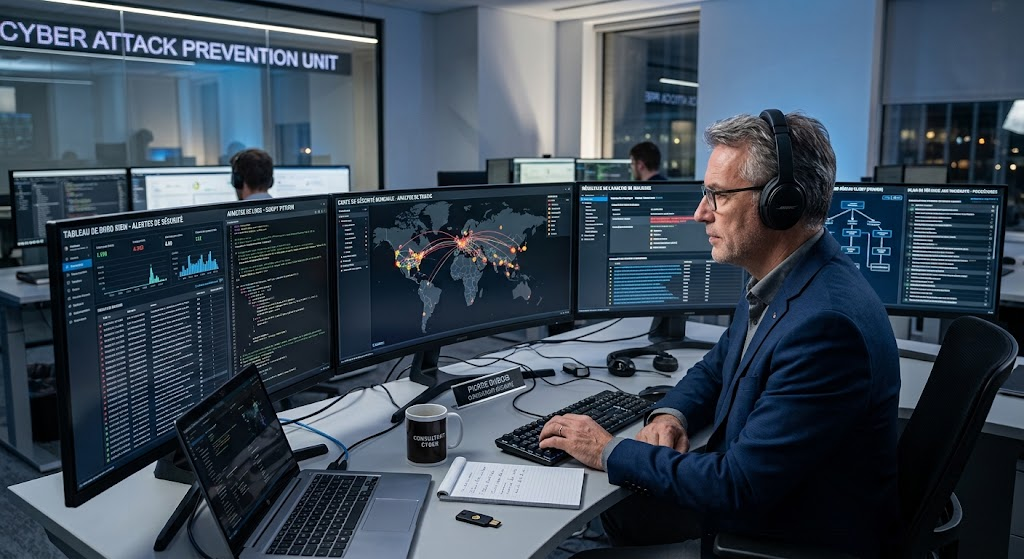
IT consulting firms offer cybersecurity assessments that turn a sprawling security environment into a clearer picture of exposure, control effectiveness, and practical next steps. Their work can range from technical testing of networks and cloud services to reviews of governance, compliance, identity controls, and incident readiness. The value lies not in producing a long list of vulnerabilities, but in connecting evidence to business risks and helping teams prioritize improvements.
Cybersecurity Assessment Services and Their Scope
An assessment typically starts with discovery: consultants examine the organization’s environment, existing processes, control documentation, and compliance obligations. This gap analysis helps distinguish immediate exposures from inefficient procedures that may lead to recurring audit findings.
The resulting scope may include a Vulnerability Assessment to identify known weaknesses, as well as Penetration Testing to evaluate whether those weaknesses can be exploited under defined conditions. A Network Security Assessment and Cloud Security Assessment can examine architecture, configuration, and access safeguards across different technology environments.
Assessment Types and the Questions They Answer
Each engagement produces a different kind of evidence. The table below summarizes common services and how consulting firms may use them.
| Assessment | Primary focus | Typical outcome |
|---|---|---|
| Cybersecurity Risk Assessment | Threats, vulnerabilities, and business impact | Prioritized risk register and mitigation guidance |
| Security Audit | Sampled evidence of control operation at a point in time | Findings and assurance against a defined scope |
| Compliance Assessment | Alignment with applicable requirements and frameworks | Gap analysis and remediation priorities |
| Penetration Testing | Defenses under controlled attack simulation | Validated weaknesses and technical recommendations |
| Incident Response Readiness | Preparation, roles, and response procedures | Readiness gaps and improvement actions |
A Security Audit generally uses sampling to determine whether controls operated effectively within the review period; it does not establish that every control will work indefinitely. A risk assessment instead identifies exposures and evaluates whether controls reduce them, and either engagement can be mapped to a specific framework or regulatory obligation.
Compliance and Control Assurance
Regulatory obligations vary by industry, so firms may help organizations interpret requirements associated with frameworks and rules. A tailored Compliance Assessment can test whether documented policies, operational controls, and supporting evidence align with the organization’s obligations.
Consultants may also conduct control testing and audit preparation, then support remediation when deficiencies are identified. Effective recommendations address both the control gap and the process behind it, reducing the chance that outdated procedures or tool changes create the same problem again.
Technical Reviews and Organizational Readiness
Technical safeguards work best when paired with sound governance and clear responsibilities. An Identity and Access Management Review examines how accounts, privileges, and access changes are managed, while an Incident Response Readiness review considers whether teams understand escalation paths and can coordinate during a disruption.
A broader Security Posture Assessment can bring these findings together with results from network, cloud, and vulnerability reviews. This joined-up view helps leadership direct resources toward the weaknesses with the greatest operational consequences rather than treating every observation as equally urgent.
- Prioritize remediation: Rank findings by exploitability, business impact, and existing safeguards.
- Improve internal controls: Address inefficient processes alongside technical weaknesses.
- Build lasting capability: Pair external expertise with internal ownership and knowledge transfer.
Clear reporting should translate technical evidence into assigned actions, realistic timelines, and measurable follow-up. A firm that offers objective, vendor-neutral advice can help teams choose improvements based on their needs rather than a particular product.
Consulting Firm Selection and Engagement Design
Before an engagement begins, define the systems in scope, the relevant compliance framework, and the decisions the findings should support. Confirm how consultants will gather evidence, protect sensitive information, validate results, and present remediation guidance.
Strong engagements are tailored to operational requirements rather than applied as a generic checklist. Organizations should also clarify whether the work includes follow-up testing or ongoing support, since reassessment helps determine whether corrective actions have reduced exposure.
Because assessment findings can affect security priorities, compliance decisions, and internal processes, consult a qualified cybersecurity professional to define an appropriate scope and obtain guidance suited to your organization.