
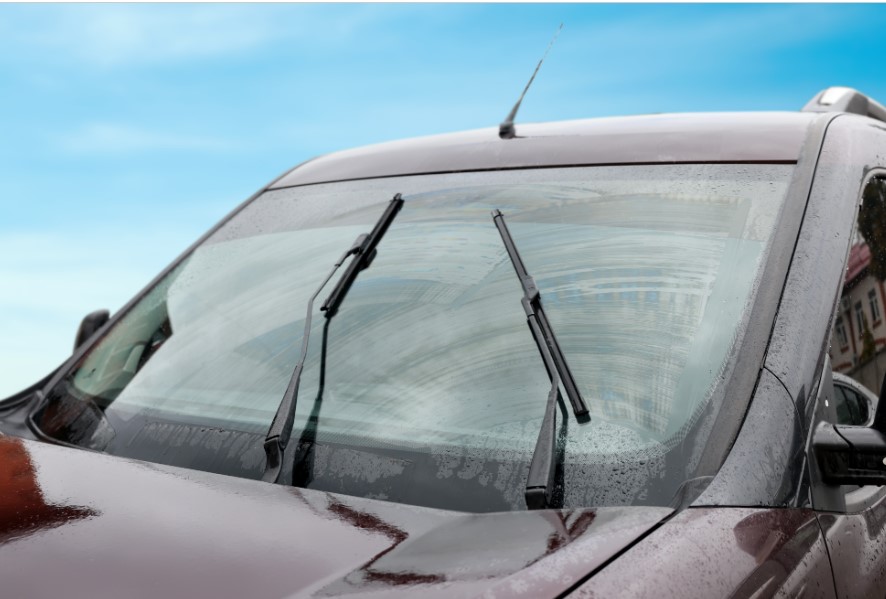
Did you know that your car’s windshield molding plays an essential role beyond aesthetics? Many drivers overlook this small trim that seals and supports the windshield. Over time, damaged molding can lead to leaks, strange noises, or even safety issues.
What is Windshield Molding and Why Is It Important?
Windshield molding is the flexible rubber or plastic trim surrounding your windshield’s edges. It serves several important functions:
- Sealing the Windshield: Prevents water, dust, and debris from getting inside the vehicle.
- Structural Support: Adds stability to the windshield, especially in case of impact.
- Aesthetic Appeal: Gives the exterior a clean and finished appearance.
Exposure to sun, weather changes, and time can cause molding to crack, warp, or detach. This wear compromises its effectiveness and your vehicle’s safety.
Signs Your Windshield Molding Needs Replacement
Recognizing when your windshield molding requires replacement helps avoid bigger problems. Watch out for these warning signs:
- Visible Damage: Cracks, peeling, or gaps along the molding indicate deterioration.
- Water Leaks: Moisture inside after rain or car washes means the seal is broken.
- Whistling Noise: Damaged molding can cause wind noise when driving at high speeds.
- Windshield Movement: Loose molding can reduce windshield stability and safety.
How Windshield Molding Replacement Protects Your Vehicle
Replacing worn or broken molding is essential not only for looks but also for your safety and comfort:
- Enhanced Safety: Proper molding keeps your windshield secure during accidents and airbag deployment.
- Water Damage Prevention: A sealed windshield blocks leaks that can cause rust and interior damage.
- Noise Reduction: New molding eliminates annoying wind noise on the road.
The Replacement Process: What to Expect
When replacing windshield molding, a professional technician follows specific steps to ensure a perfect fit and seal:
- Inspection: Examining the existing molding and windshield condition to determine if replacement is necessary.
- Removing Old Molding: Carefully taking off damaged molding without damaging glass or car paint.
- Cleaning Edges: Preparing the surface to guarantee the new molding adheres properly.
- Installing New Molding: Fitting the replacement piece tailored to your car model.
Choosing the Right Windshield Molding Replacement Service
Quality matters when replacing your windshield molding. Opt for a service that offers:
- Experienced Technicians: Skilled in precise molding removal and installation.
- High-Quality Materials: Durable molding that matches original specifications.
- Convenient Service: Options including mobile service or shop visits.
- Competitive Pricing: Fair rates without compromising quality.
Ensuring these qualities guarantees a seamless replacement and lasting protection.
OEM vs Aftermarket Windshield Replacement: What You Should Know
When it comes to replacing the entire windshield, understanding your options is key. Modern vehicles often feature Advanced Driver Assistance Systems (ADAS) relying on windshield sensors and cameras. The choice between OEM (Original Equipment Manufacturer) and Aftermarket glass impacts cost and system performance.
OEM Windshield Replacement
OEM windshields are made to exact factory specifications and include all embedded technologies. They ensure the best fit, clarity, and safety, especially for vehicles equipped with ADAS.
Aftermarket Windshield Replacement
Aftermarket glass may be less expensive but sometimes differs in thickness, clarity, or embedded features. This could affect sensor function and driving experience.
| Characteristic | OEM Windshield | Aftermarket Windshield |
|---|---|---|
| Build Quality | Factory standards, exact replica | Reverse-engineered, variable quality |
| ADAS Compatibility | Full sensor integration and recalibration | Possible sensor interference or functionality loss |
| Cost | Higher price | Generally cheaper |
| Warranty Impact | Maintains warranty validity | May void some warranties |
Choosing OEM is often best for newer vehicles with ADAS, while aftermarket options may suit older cars or tighter budgets.
Windshield Care and Maintenance Tips
To extend the life of your windshield and molding, consider regular inspections and protective measures. Applying protective films can help prevent chips and cracks. Promptly fixing minor damage avoids costly replacements later.
Maintaining your windshield molding keeps your car safe, dry, and quiet. For the best results, choose quality materials. Don’t hesitate to seek professional help for replacements before problems worsen.