
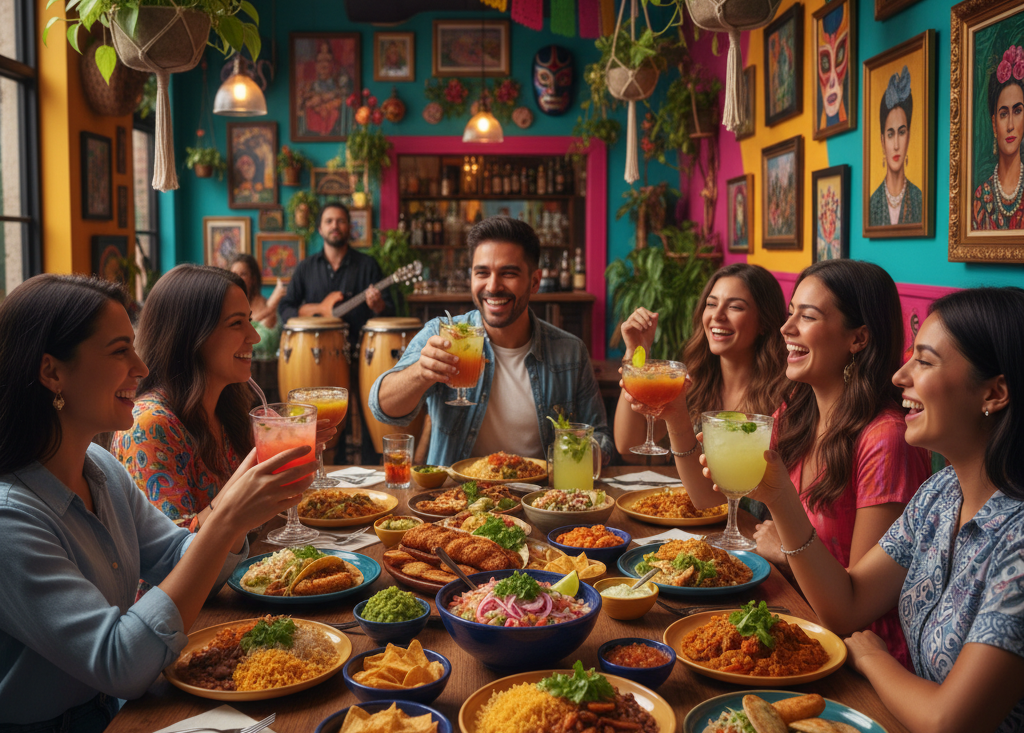
Exploring the realm of Latin American restaurants reveals a vibrant mosaic of culinary artistry, cultural heritage, and innovative flavors. From the bustling capital cities to hidden coastal gems, these establishments offer a remarkable dining experience that celebrates traditional dishes and boldly experiments with food fusion. Journey through the heart of Latin American cuisine as we uncover the rich ingredients, regional specialties, and dynamic restaurant culture shaping this vibrant gastronomic landscape.
Discovering the Vibrant Latin American Restaurant Culture
Latin American restaurant culture thrives on a deep connection to culinary heritage and local ingredients. The finest establishments are predominantly found in capital cities like Lima, Mexico City, Bogotá, and Buenos Aires, though Brazil’s culinary jewels sparkle along its coastal cities, São Paulo and Rio de Janeiro. These restaurants act as custodians of tradition while embracing contemporary techniques, offering diners both traditional dishes and avant-garde creations.
Many leading chefs have honed their skills abroad in renowned European and American kitchens before returning home. This exchange enriches the food fusion phenomena present in many menus, blending classic Latin American elements with international influences. As a result, the restaurant culture not only supports vibrant street food traditions but also elevates fine dining to new heights.
Exploring Regional Specialties and Ingredients in Renowned Restaurants
A closer look at Latin American cuisine reveals a wealth of regional specialties that define each country’s gastronomic identity. The use of fresh, local ingredients is paramount: from Amazonian fish and Andean tubers to Mexican corn varieties and Brazilian tropical fruits.
In Peru, the culinary scene boasts internationally acclaimed restaurants like Central Restaurante and Maido in Lima. Central showcases the biodiversity of Peru through its Mater Elevations tasting menu, featuring ingredients from over a dozen ecosystems such as the Pacific Ocean and the Amazon jungle. Chef Virgilio Martinez and Pia León’s creativity brings these traditional elements into an inspiring dining experience that honors cultural roots.
Meanwhile, Maido, celebrated for its innovative Nikkei cuisine, offers a masterful blend of Japanese techniques with Peruvian flavors. This fusion highlights the complexity and adaptability of Latin American culinary heritage, earning Maido the title of the world’s best restaurant in 2025.
Understanding the Impact of Food Fusion on Latin American Cuisine
The success of food fusion lies in its ability to respect traditional flavors while introducing global techniques and presentations. This culinary dialogue is evident in Mexico City restaurants like Pujol and Quintonil, which merge indigenous Mexican ingredients with contemporary cooking methods learned abroad.
Similarly, Quintonil shines by highlighting Mexico’s biodiversity and native produce, making a conscious effort to preserve culinary traditions while innovating flavor profiles. This approach is prevalent throughout Latin America, reflecting a broader trend where chefs act as cultural ambassadors and educators for the next generations.
Experiencing Diverse Dining Atmospheres Across Latin America
Latin American restaurants offer an array of dining experiences – from the casual and bustling spots serving street food favorites to elegant establishments with meticulous service and curated menus. Each venue tells a story, often infused with the music, colors, and energy characteristic of its locale.
In Bogotá, Leo presents a sophisticated journey through Colombia’s diverse ecosystems, offering dishes crafted from local ingredients and paired with juices that reflect the country’s rich biodiversity. This style of cuisine showcases how regional specialties translate into a memorable dining experience that connects guests to place and history.
Meanwhile, Brazilian restaurants like D.O.M. in São Paulo, with its famed palm heart fettuccine, emphasize sustainability and Amazonian ingredients. Chef Alex Atala redefines Brazilian haute cuisine by intertwining environmental consciousness with haute cuisine techniques.
Recognizing How Street Food Inspires Fine Dining Innovations
Street food remains an integral source of inspiration for many Latin American chefs. The robust flavors and simplicity of local vendors provide the foundation on which more complex dishes are built. For example, dishes like lomo saltado – a traditional Peruvian stir fry – find their way from local eateries to upscale restaurants such as Isolina Taberna Peruana in Lima.
This culinary evolution is a testament to how rich and diverse Latin American cuisine is, where the vibrancy of street flavors coexists harmoniously with the refinement of high-end gastronomy.
Latin American cuisine is a celebration on a plate — bold, generous, and deeply rooted in culture. Dining at a professional Latin American restaurant means more than a great meal; it’s an invitation to experience the warmth, diversity, and soul of an entire continent’s culinary tradition.