

In 2026, the landscape of live performances—from concerts to theater—is radically evolving through technology. Audiences now demand more than just passive viewing; they seek immersive, interactive experiences supported by seamless registration and digital check-in processes. From advanced event technology enhancing stage production to innovations boosting audience engagement, this transformation reshapes how events connect with attendees worldwide.
Brief highlights:
- Immersive visual effects powered by LED walls and AR redefine stage environments.
- Advanced sound enhancement guarantees flawless audio dynamics across venues.
- Virtual and augmented reality extend reach and interactivity beyond physical spaces.
- Live streaming and social media foster global audience connections in real time.
- Automation and robotics bring precision and creativity to stagecraft.
- Interactive apps and wearables amplify engagement and personalized experiences.
- Artificial intelligence tailors shows and improves event management strategies.
- Accessibility technologies ensure inclusive experiences for all attendees.
- Early collaboration between planners and production partners optimizes event design and execution.
Integrating Advanced Registration Technology to Streamline the Live Experience
Starting with registration, new tech solutions have revolutionized attendee check-in. Digital check-in systems replace paper tickets, allowing faster, contactless entry that reduces queues and enhances safety. Such systems sync seamlessly with ticketing platforms, enabling real-time updates and streamlined guest management. This digital backbone supports the entire event flow, empowering organizers with valuable data analytics to optimize crowd control and tailor experiences for diverse audiences.
For example, event planners leveraging connected event technologies can integrate wireless high-speed internet and smart scanners, ensuring quick, flawless access while collecting insights on attendee behavior. This foundation sets the stage—literally—for a smooth transition into immersive live performances.
Enhancing Stage Production with Immersive Technologies
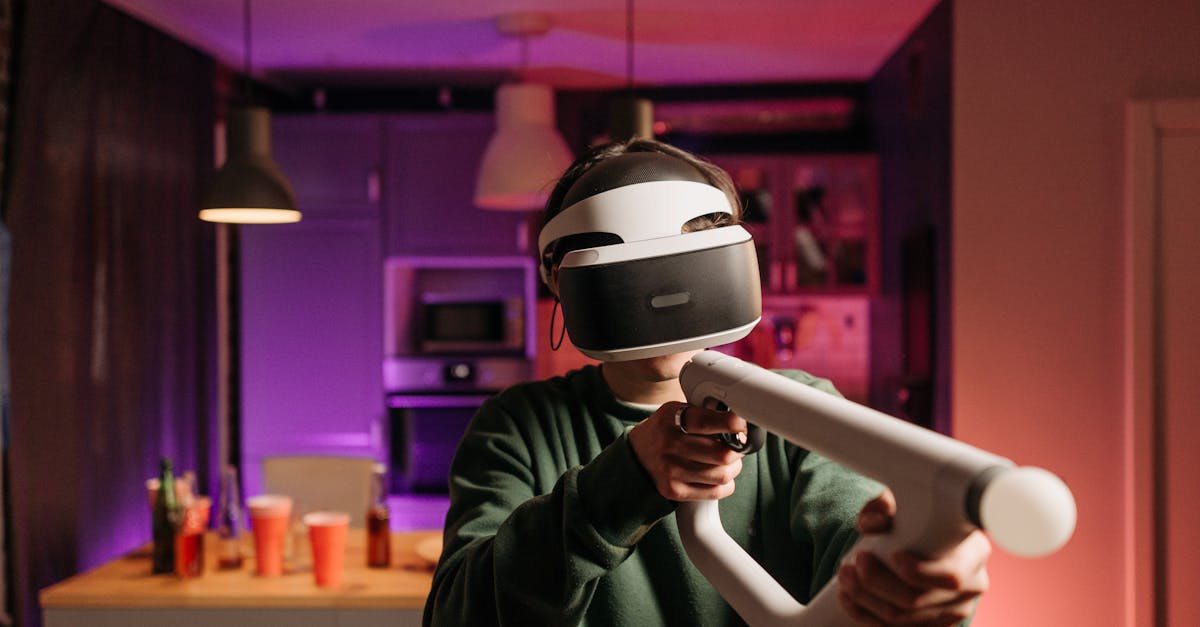
The core of any live experience is the stage production, now elevated through stunning visuals and superior sound. High-definition LED walls double as dynamic scenic elements, crafting vivid virtual environments that adapt instantly to the show’s narrative. Artists and designers use real-time rendering to experiment with sets, offering audience engagement that feels both interactive and breathtaking.
Moreover, cutting-edge sound systems ensure crystal-clear audio distribution across venues of all sizes. Technologies such as in-ear monitoring and digital soundboards give performers unprecedented control, sustaining immersive soundscapes and minimizing disruptions. Complex robotics and automation further empower stagecraft, enabling impressive special effects and intricate choreography impossible to achieve manually.
- LED walls supporting versatile scenic storytelling
- Surround sound and personalized audio control for consistency
- Robotics managing set transitions and special effects
- Integration of AR to project holograms interacting with live performers
For planners eager to harness the latest innovations in event management technologies, checking out resources like top tech innovations transforming the event industry can yield useful strategies for blending creativity with technical precision.
Expanding Audience Engagement through Interactive Platforms and Virtual Presence
Today’s audiences want to connect beyond the physical venue. Live streaming platforms enable global attendance, while integrated social media tools create real-time interaction and community feeling. Utilizing interactive apps and smart wearables, attendees can influence lighting effects or receive personalized content, deepening their involvement.
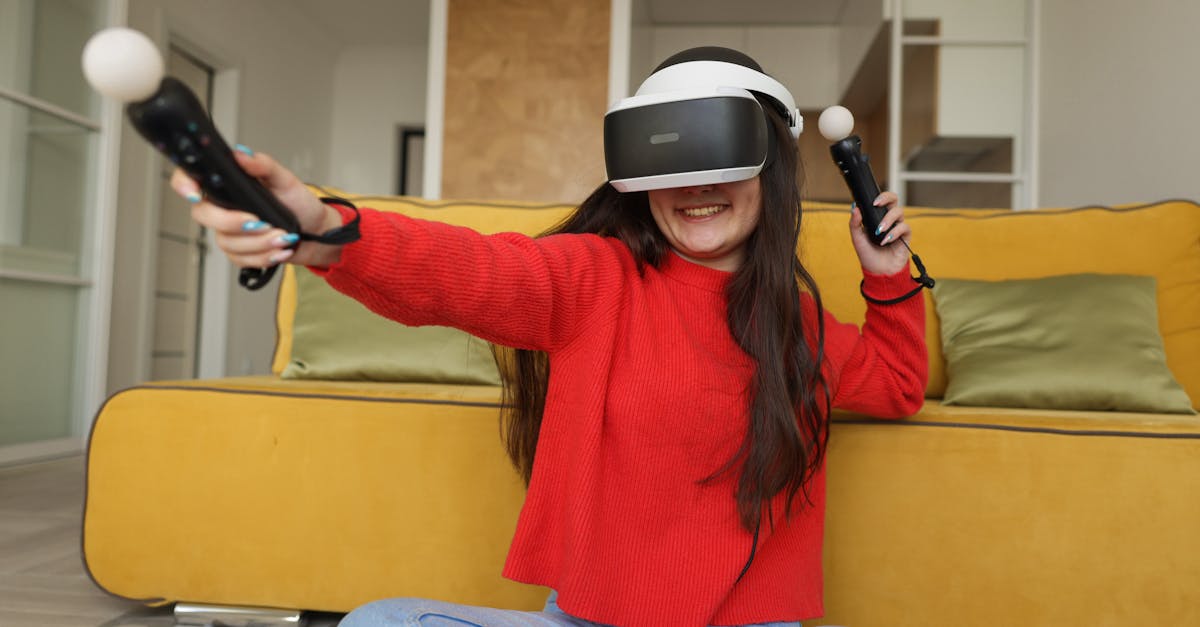
Virtual reality (VR) and augmented reality (AR) push boundaries further, offering remote users a fully immersive experience. Virtual concerts, interactive Q&A sessions, and real-time translation via AR apps make performances accessible and unforgettable for diverse demographics.
AI-Driven Personalization and Accessibility Transforming Events
Artificial intelligence analyzes attendee preferences, helping artists and planners customize shows dynamically. Machine learning adapts lighting and sound instantaneously to audience reactions, while AI-powered chatbots assist guests throughout events for smoother navigation.
Accessibility advancements, including assistive listening devices and captioning systems, guarantee that live experiences are inclusive. Online communication platforms promote accessibility information effectively, ensuring attendees with varying needs feel welcomed and valued.
- Real-time adaptation of production elements by AI
- AI-powered assistance for attendees
- Enhanced accessibility services improving inclusivity
This blend of innovation and human-centered design underscores the future trajectory of live events, where technology doesn’t overshadow people but enriches genuine connection.