
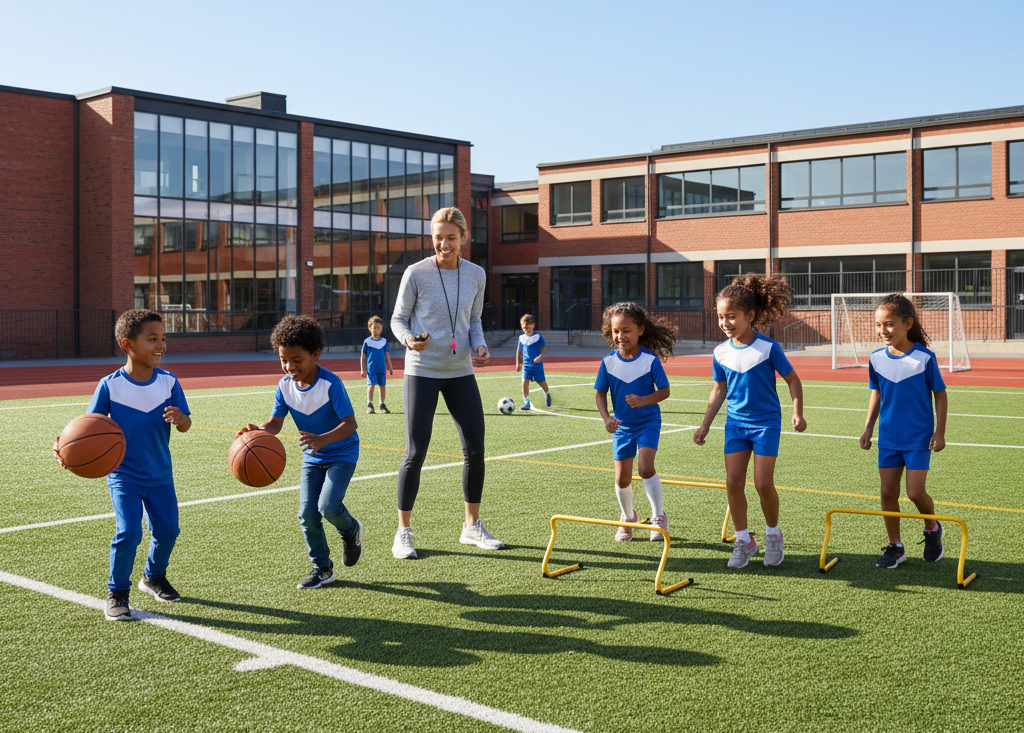
In today’s educational landscape, sports programs serve far beyond the goal of securing victories. These programs have evolved into vital platforms for student development, fostering teamwork, character building, and physical education. Exploring their true worth reveals how school athletics profoundly influence academic performance, mental health, and community engagement.
Understanding the Impact of Sports Programs on Student Development
Sports programs in schools are essential drivers of student development, impacting areas well beyond physical fitness and competition. Participation in school athletics encourages young people to develop crucial life skills such as discipline, perseverance, and resilience. An active lifestyle promoted through these programs bolsters mental health, enhancing focus and emotional regulation, which in turn supports stronger academic performance.
School athletics also build teamwork, teaching students how to collaborate and communicate effectively under pressure. These experiences help mold character, nurturing qualities like leadership, fairness, and respect. As students navigate wins and losses, they learn to manage success with humility and setbacks with determination, shaping well-rounded individuals prepared for life beyond the classroom.
Encouraging Physical Education for Lasting Benefits
Physical education within sports programs contributes not only to physical health but also strengthens students’ confidence and self-esteem. Regular activity reduces risks of chronic illnesses, supporting long-term well-being. Moreover, exercise fosters the release of endorphins, helping to alleviate stress and anxiety common among adolescents. Schools embedding physical education as a core feature of their sports offerings provide a holistic approach that nurtures both body and mind.
Strengthening Academic Performance through Athletics
Contrary to the misconception that sports detract from studies, research indicates that involvement in school athletics can enhance academic performance. The discipline and time management skills honed through sports participation translate into better study habits. Students often experience higher motivation and improved concentration during classes. Numerous schools have documented that athletes maintain higher GPAs and lower dropout rates compared to non-athlete peers, highlighting the synergy between sports and academics.
Highlighting Character Building and Teamwork Vital in School Athletics
At the core of every successful sports program lies character building and the cultivation of teamwork. These aspects nurture essential social skills and ethical values, enabling students to grow personally and socially. Coaches serve not only as trainers but also as mentors guiding young athletes through challenges that build character and a strong sense of integrity.
Such environments encourage students to embrace diversity and develop empathy. Engaging in team sports cultivates a sense of belonging and encourages cooperation toward common goals. These experiences often become defining moments in adolescent development, shaping attitudes that lead to positive outcomes both inside and outside school.
Fostering Community Engagement through School Sports Programs
Beyond individual growth, school athletics serve as powerful engines for community engagement. Sporting events gather students, families, and local residents, strengthening communal ties. Support for teams creates a shared identity and collective pride, weaving sports programs into the social fabric of neighborhoods.
Communities investing in school sports reap multiple benefits including economic stimulation through events and local partnerships. Students learn the value of contributing to something larger than themselves, reinforcing civic responsibility. This dynamic interaction between schools and their communities brings mutual enrichment and helps promote social cohesion.
Promoting Life Skills for Lifelong Success
Participation in sports programs equips students with invaluable life skills that extend far beyond the playing field. Time management, goal setting, problem-solving, and emotional control are among the competencies developed through consistent athletic involvement. These skills foster personal perseverance and adaptability, qualities employers find highly desirable.
Moreover, experiences in school athletics encourage healthy competition and sportsmanship, teaching students to handle both success and disappointment gracefully. Such lessons prepare individuals to navigate the complexities of adult life with confidence and maturity.
- Enhances physical and mental health through active participation
- Improves academic achievement and school engagement
- Develops teamwork, leadership, and communication skills
- Promotes character building and ethical values
- Strengthens community bonds and social responsibility
- Teaches essential life skills for future workplace success
Sports programs do far more than fill afternoons — they build the kind of confidence, discipline, and teamwork that follow students long after graduation. Investing in professional, well-structured school sports is investing in the whole person, not just the athlete.