
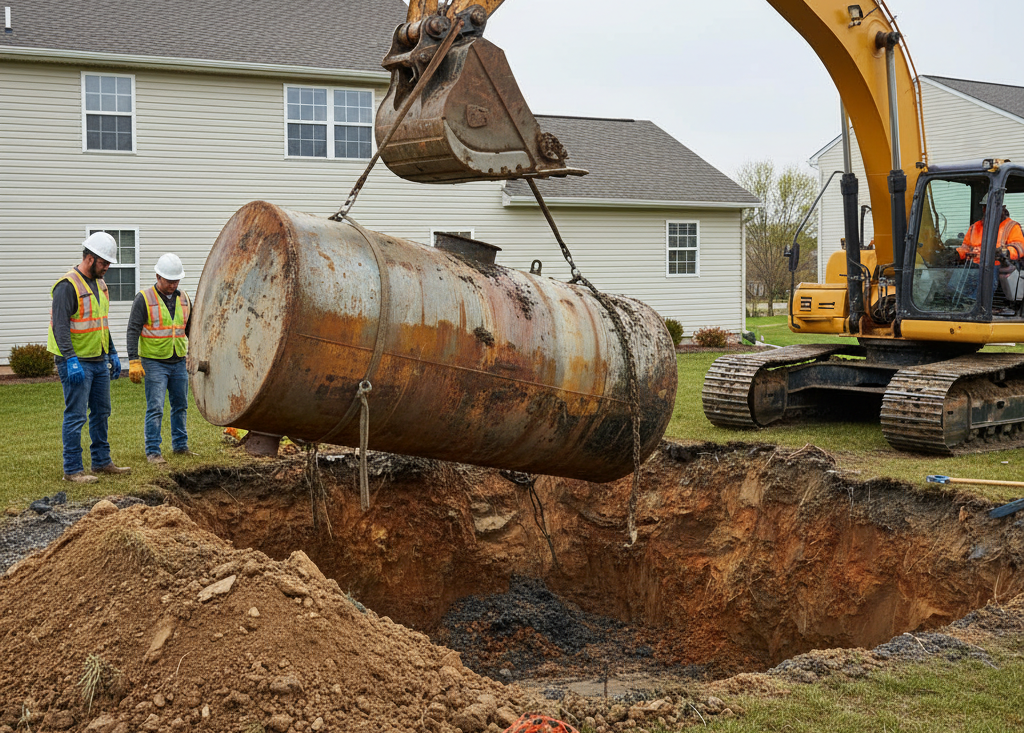
Hidden beneath many properties lie underground oil tanks that often go unnoticed and are easily forgotten. While out of sight, these tanks carry significant risks that can affect property owners, communities, and the environment. Understanding the dangers of skipping oil tank removal reveals why timely action is essential to prevent long-lasting damage and health hazards.
Revealing the Risks of Underground Oil Tank Neglect
Underground oil tanks, often installed decades ago for residential heating, present a complicated challenge when left unattended. These tanks typically buried below the ground, can corrode and leak, leading to dangerous environmental contamination and posing health hazards to those nearby.
These forgotten tanks rarely display obvious signs of deterioration, making it difficult for property owners to detect problems before contamination occurs. When leaks happen, oil seeps into the soil and can infiltrate groundwater supplies, causing pollution that is not only costly but also harmful to ecosystems and human health. Early detection and removal are therefore essential to safeguard both your property and the environment around it.
Uncovering Environmental Contamination and Safety Concerns
Understanding environmental contamination from underground oil tanks sheds light on the gravity of unattended tank risks. The oil stored in these tanks contains chemicals that, when released, damage soil integrity and pollute underground water sources, profoundly impacting the environment.
Below are common forms of contamination and related hazards stemming from abandoned oil tanks:
- Soil degradation: Leaked oil contaminates soil, disrupting natural microbial activity and harming plants.
- Groundwater pollution: Toxins penetrate aquifers, jeopardizing drinking water quality for communities.
- Airborne risks: Vapor emissions from oil spills can cause respiratory issues and other health problems for humans and animals.
Highlighting Health Hazards Linked to Forgotten Oil Tanks
The neglected underground oil tanks pose significant health hazards originating from the toxic substances contained in heating oil. Exposure to both leaked oil in soil and vapors released into the air may cause a range of health effects, especially for residents living near these tanks.
Long-term exposure to contaminated environments can result in breathing difficulties, skin irritation, and more serious conditions like cancer. The invisible nature of such exposure is what makes these forgotten tanks particularly dangerous—many remain unaware of the ongoing health threats until symptoms appear or a contamination event is discovered.
Exploring the Impact on Property Value and Legal Liabilities
For many homeowners, the presence of an underground oil tank can negatively influence property value due to fears of contamination and the potential financial burden of cleanup. Prospective buyers often hesitate to purchase properties with unknown or unaddressed tank problems, complicating real estate transactions.
- Potentially reduced market value: Buyers may perceive higher risks and discount property prices or avoid purchase.
- Legal penalties and fines: Non-compliance with environmental laws risks legal action and monetary sanctions.
- Insurance complications: Coverage denial for damage linked to neglected tanks could lead to out-of-pocket expenses.
Proactive removal or decommissioning therefore safeguards not only health and environment but also protects financial interests.
Detailing Safe Removal Procedures for Forgotten Underground Oil Tanks
When a decision is made to remove an underground oil tank, following a stringent, step-by-step process ensures safety and environmental protection throughout the operation.
Professional tank removal involves several key steps:
- Inspection and risk assessment: Expert contractors evaluate the tank’s condition and potential contamination of surrounding soil.
- Permit acquisition: Approvals and permits from local authorities are secured to comply with legal requirements.
- Tank drainage and cleaning: Residual oil and water in the tank are safely removed and disposed of according to regulations.
- Excavation and extraction: Specialized equipment carefully excavates the tank, minimizing environmental disturbance.
- Soil testing and remediation: Surrounding soil is tested for contamination, with corrective treatments applied when necessary.
- Final reporting and closure: Proper documentation is submitted to relevant environmental agencies confirming safe removal and site safety.
Adhering to these steps not only prevents further pollution but also ensures the property is safe for future use and meets compliance standards set in 2026 and beyond.
Encouraging Timely Action to Mitigate Risks and Preserve Safety
Procrastinating on the removal of a forgotten underground oil tank magnifies health, environmental, and financial risks. Each passing year increases the chance of corrosion, leaks, and extensive soil contamination. Conversely, addressing tank removal promptly helps preserve environmental safety and property value.
By engaging licensed professionals equipped with proper knowledge and tools, property owners can navigate the removal process smoothly and responsibly. These experts not only reduce hazards during extraction but also handle regulatory obligations, providing reassurance and peace of mind.
- Reduce environmental pollution risks.
- Protect family and community health effectively.
- Secure property value and facilitate real estate transactions.
- Avoid costly legal and insurance complications.
An old oil tank left in the ground is a liability quietly growing beneath your property. Professional removal eliminates the environmental risk, protects your home’s value, and gives you complete peace of mind — before the problem surfaces on its own.