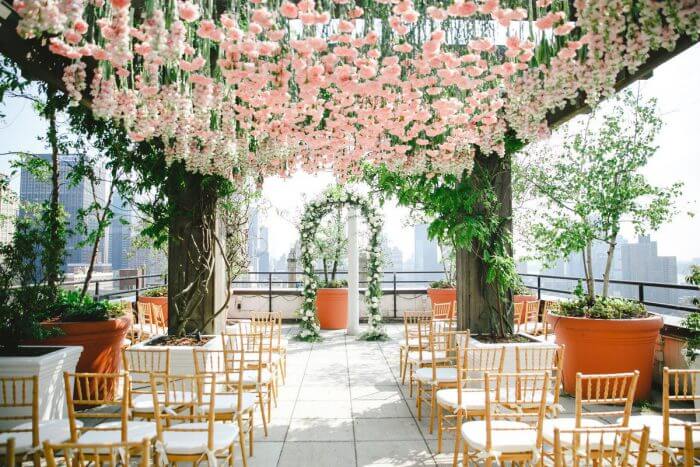
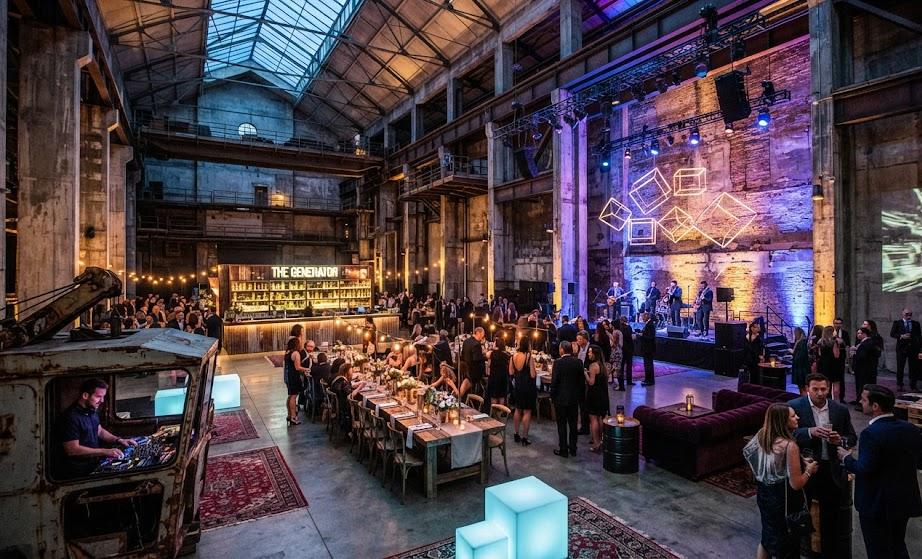
In the ever-evolving landscape of events, non-traditional venues have emerged as both a bold choice and a complex puzzle for planners. From art galleries and warehouses to botanical gardens, these spaces offer unique atmospheres that can elevate an event’s impact. However, they present unique challenges such as logistics, technical requirements, and budget constraints. Navigating these intricacies while harnessing the opportunities they provide can set an event apart in today’s competitive environment. Let’s delve into how to turn these unconventional settings into outstanding experiences.
Understanding the Appeal of Non-Traditional Venues
The charm of non-traditional venues lies in their ability to create memorable experiences. Unlike standard convention centers, these venues can embody the spirit of your event and resonate with attendees on a personal level. Here are some notable advantages of choosing these spaces:
- Unique Ambiance: Non-traditional venues often come with inherent character and charm, creating a memorable backdrop.
- Flexible Spaces: Many unconventional venues offer adaptable layouts, allowing for creativity in event design.
- Increased Engagement: Unique settings stimulate conversations and enhance attendee interaction.
However, this appeal is counterbalanced by several challenges that planners must manage effectively.
Key Challenges in Planning
Planning an event in a non-traditional venue requires diligent consideration of various factors:
- Logistical Hurdles: Unlike established venues, non-traditional spaces often lack standard amenities, which complicates setup and operations.
- Technical Limitations: Inadequate power outlets, sound systems, and lighting can hinder event execution and attendee experience.
- Compliance and Permits: Ensuring the venue meets safety regulations and obtaining necessary permits can be time-consuming.
Each of these challenges demands innovative solutions and thorough planning, transforming potential pitfalls into opportunities for creativity.
Strategies for Successful Execution
Successfully navigating the complexities of non-traditional venues involves strategic planning and adaptable approaches:
- Conduct Thorough Site Visits: Assessing the venue’s layout and facilities in advance allows planners to anticipate needs and issues, ensuring a seamless event.
- Utilize Technology Wisely: Implement modern solutions, such as mobile apps and digital platforms, to enhance attendee engagement and streamline operations.
- Develop Strong Partnerships: Collaborating with local vendors and the venue’s management can provide additional insights and resources.
Implementing these strategies can significantly alleviate some of the inherent challenges and enhance the overall event experience.
Leveraging Data and Feedback
Modern event planning relies heavily on data to drive decisions. Using analytics tools can provide valuable insights into attendee preferences and behaviors:
- Monitor Engagement: Collecting data on attendee interactions can guide future planning and improve event experiences.
- Feedback Loops: Encourage attendees to provide feedback post-event to refine approaches for future gatherings.
Feedback is crucial for continuous improvement, especially in the dynamic world of non-traditional venues where expectations shift rapidly.
The Future of Non-Traditional Venues
Looking ahead, the trend toward non-traditional venues is expected to grow. According to industry insights, 51% of event planners are actively exploring specialty venues, a significant increase from previous years. As planners seek innovative solutions, the evolution of technology and greater community engagement will drive choices. Non-traditional venues will not only redefine event aesthetics but also push boundaries in attendee interaction and experience.
| Venue Type | Benefits | Challenges |
|---|---|---|
| Art Galleries | Unique aesthetics; stimulating environment. | Limited logistics support; strict regulations. |
| Warehouses | Flexible space; customizable layouts. | Poor acoustics; infrastructure needs. |
| Botanical Gardens | Beautiful natural setting; serene atmosphere. | Weather dependency; venue restrictions. |
As this paradigm shift unfolds, leveraging insights and remaining adaptable will enable planners to not only meet demands but also exceed attendee expectations in creating unforgettable experiences.