
Sourcing event furniture overseas is an increasingly popular strategy for event planners, venue owners, and rental companies seeking unique designs and cost advantages. However, buying internationally means taking on a critical challenge: how to ensure safe, timely, and cost-effective transport of often bulky, fragile, or custom-made furniture.
From dealing with customs paperwork to choosing the right freight method, this guide walks you through everything you need to know to secure your investment and deliver your furniture in perfect condition.
The Risks of International Furniture Shipping
Ordering event furniture abroad can save money, but only if the logistics are properly managed. Without a clear plan, the risks include delays, damage, unexpected costs, and even lost shipments.
Transporting large, high-value items across borders involves more than just shipping. You’re also navigating import regulations, taxes, warehouse transfers, and potentially long sea voyages. Understanding these risks upfront helps you avoid costly mistakes.
Fragility, Volume, and Distance
Event furniture often includes delicate items: chairs with fabric upholstery, glass-topped tables, or custom-made bars. These pieces require specific packing and handling protocols, especially over long distances. Even minor damage can compromise aesthetics and usability.
Volume matters too. A large order could fill an entire container, while smaller shipments might share space with unrelated goods, increasing the risk of mishandling.
Customs and Clearance Issues
Each country has its own import rules and tax codes. Without proper documentation—like commercial invoices, packing lists, or product certifications—your shipment might be delayed, fined, or refused entry.
A trusted logistics partner or freight forwarder can help you navigate this maze and ensure all documents are correct and submitted on time.
Choosing the Right Transport Method for Event Furniture
To ensure your overseas purchase arrives safely and efficiently, it’s essential to choose the appropriate freight solution based on timing, budget, and furniture type.
Let’s break down the two main methods: sea freight and air freight.
Sea Freight: Best for Large or Heavy Orders
Ocean freight is the most cost-effective method for bulky furniture. Full container loads (FCL) offer secure shipping without the risk of goods being moved or mixed. Less-than-container loads (LCL), while cheaper for smaller orders, carry a higher risk of damage due to handling during transfers.
Key benefits:
- Lower cost per unit
- Ideal for volume shipping
- Option to use custom crating
Downsides include longer delivery times (typically 4–8 weeks) and more exposure to humidity or rough seas. Protective packaging and desiccants help mitigate these risks.
Air Freight: Faster, But Costlier
For urgent needs or smaller, high-value orders, air freight offers speed and minimal handling. While significantly more expensive, it may be worth it for critical event deadlines.
Key benefits:
- Delivery in days, not weeks
- Lower risk of moisture damage
- Real-time tracking and higher control
It’s best reserved for lightweight, high-margin items, or last-minute additions to larger orders already shipped by sea.
How to Package and Protect Furniture for Safe Transport
No matter how reliable your shipping method, poor packaging is the #1 cause of damage during transport. Protecting event furniture starts at the factory floor and continues until the final delivery.
Key Packaging Tips for Furniture Shipping
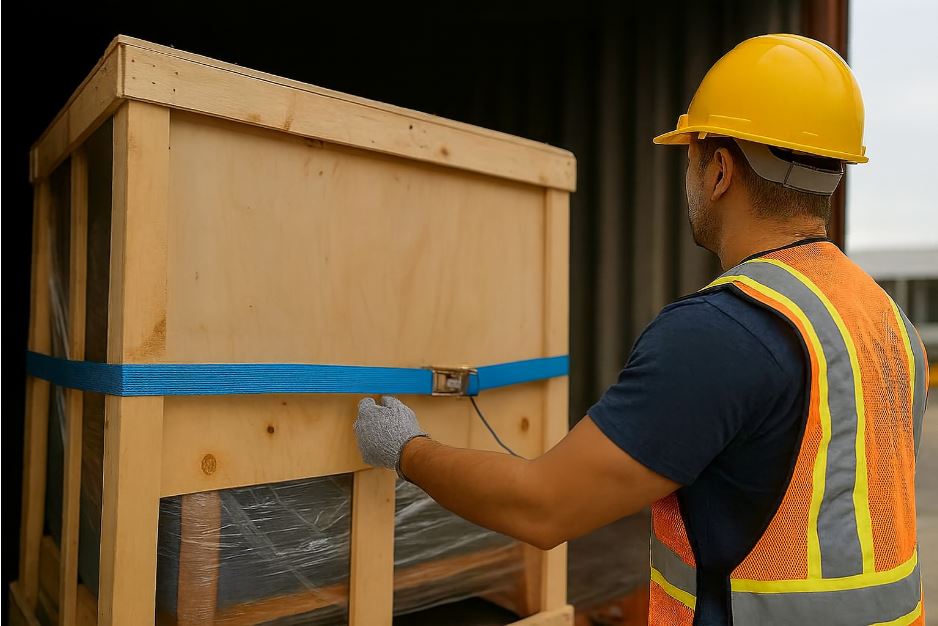
- Use custom crating for fragile or high-value pieces (e.g., mirrors, glass tops)
- Foam wrapping and corner protectors reduce impact during stacking
- Heat-treated wooden pallets meet international standards and improve forklift safety
- Include moisture barriers or plastic wrapping for sea shipments
- Clearly label all crates with destination, handling instructions, and package contents
It’s also wise to request photographic proof of packaging before the shipment leaves the supplier.
Partnering with Reliable Freight Forwarders and Customs Agents
Even the best plan can fall apart without the right partners. That’s why working with experienced international logistics professionals is essential.
Freight forwarders act as intermediaries between you and transport carriers. They coordinate pickup, transit, customs, and delivery. Some also offer warehousing and insurance services.
What to Look for in a Logistics Partner
- Experience with furniture shipping
- Transparent pricing and clear timelines
- Knowledge of destination country regulations
- Good track record and client testimonials
- Ability to provide door-to-door service
Your freight partner should also help you estimate import duties, VAT, and port fees, so you’re not surprised by hidden costs.
Sea Freight vs. Air Freight for Event Furniture
| Factor | Sea Freight | Air Freight |
| Cost | Lower for large shipments | Higher per kilogram |
| Speed | 4–8 weeks average | 3–7 days average |
| Best for | Bulky or full container orders | Urgent or lightweight goods |
| Damage Risk | Higher (with LCL) | Lower |
| Packaging Needs | High – protect from moisture | Moderate – focus on impact |
| Customs Complexity | Moderate | Moderate to High |
Buying event furniture abroad offers exciting opportunities. But it also comes with logistical challenges. By understanding transport methods, investing in proper packaging, and choosing reliable shipping partners, you can avoid delays, damage, and budget overruns.
Make your investment count by planning each step with care and professionalism. Whether you choose sea freight for cost efficiency or air freight for speed, the goal remains the same: get your event furniture delivered on time, in perfect condition.
Need expert help shipping your furniture across borders? Partner with a specialized international logistics provider to secure safe, smooth, and stress-free delivery.