In the world of event planning, sound and lighting are critical elements that can make or break an event. From corporate gatherings to unforgettable weddings, ensuring top-notch audio-visual experiences is essential. As technology evolves, so do the techniques and equipment used to achieve flawless execution. This guide dives into the key aspects of technical event management, revealing secrets to mastering sound and lighting alongside lessons from industry experts.
Understanding the Importance of Sound and Lighting
The impact of sound and lighting on an event’s atmosphere cannot be overstated. Proper acoustics and strategic lighting designs not only enhance engagement but also set the mood. For example, during a graduation ceremony, a well-placed microphone ensures that every word echoes through the venue, making the moment memorable. In contrast, inadequate sound setup can lead to frustrating experiences.
Key Components of Effective Event Sound Management
When planning sound for an event, there are several critical components to consider:
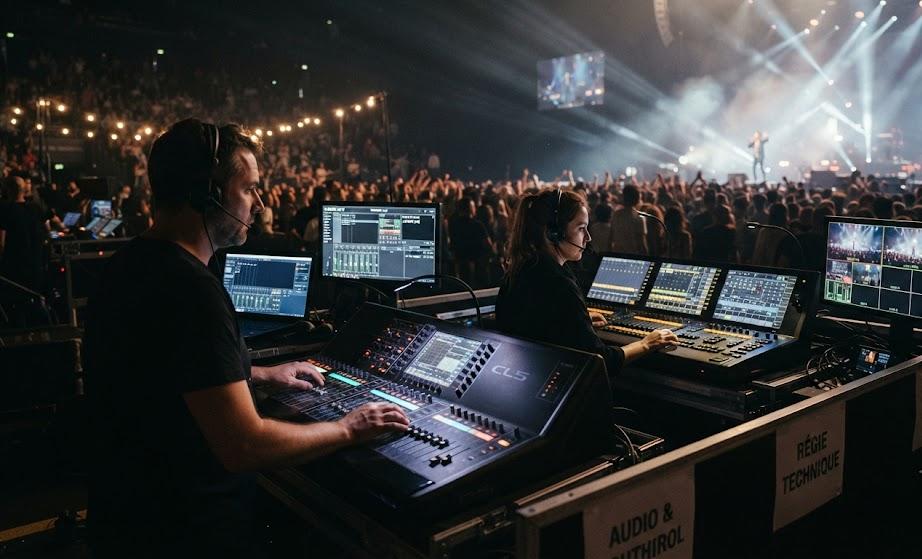
- Audio Equipment: Choosing the right microphones and speakers is essential. For instance, handheld microphones are excellent for panel discussions, while lapel mics provide freedom of movement.
- Sound Check: Conducting a thorough sound check before the event starts is crucial. This helps identify potential issues and allows for adjustments.
- Expert Technicians: Hiring experienced sound technicians ensures that the audio setup runs smoothly and effectively.
Challenges in Sound Management
Even with the best equipment, challenges can arise. These include:
- Background noise and acoustics of the venue
- Last-minute equipment failures
- Inconsistent audio levels during presentations
Lighting Techniques to Enhance Your Event
Lighting plays a vital role in shaping the event experience. Here are some vital techniques:
- Layered Lighting: Combining different lighting types—ambient, task, and accent—creates depth and interest.
- Color Temperature: Adjusting light colors can significantly influence the mood. Warm tones might suit a cozy gathering, while cooler tones work well for corporate events.
Popular Lighting Styles
Utilizing various lighting styles can transform your event. Some popular options include:
- Spotlights: Highlight key speakers or performances.
- Gobos: Custom patterns can add unique ambience.
- LED Walls: Provide dynamic backgrounds that enhance presentations.
Integrating Technology for Seamless Execution
Today’s events often leverage advanced technologies. Consider the following:
- Live Streaming: Ensures broader access and participates for those unable to attend in person.
- Smart Lighting Control: Automated systems adjust lighting based on real-time feedback.
Preparing for the Unexpected
Even with careful planning, things might go awry. Prepare for potential issues by:
- Having backup equipment ready
- Designating a troubleshooting team to address issues quickly
Table: Equipment Comparison for Sound and Lighting
| Equipment Type | Features | Best Use Case |
|---|---|---|
| Wireless Microphone | Freedom of movement, clear audio | Presentations, performances |
| LED Lights | Energy-efficient, customizable colors | Dynamic environments, shows |
| Projectors | Visual aids, vibrant display | Conferences, seminars |
Measuring Success Post-Event
After the event, it’s essential to review how well the sound and lighting met expectations. Analyze feedback and consider hosting a debriefing session to discuss improvements for future events. Assessing these crucial elements ensures continual growth and success.