
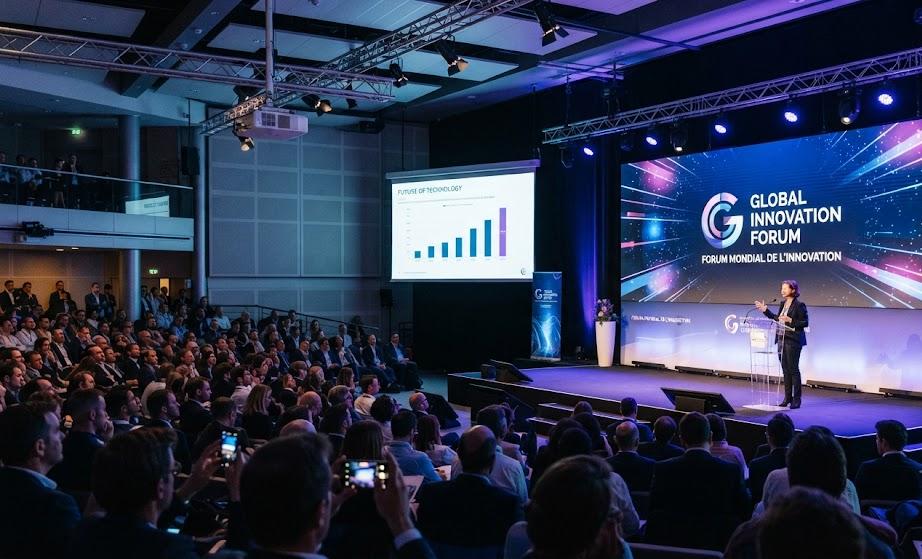
In an era where visual engagement is paramount, understanding the right technology for your event can dramatically influence your success. With options like video projection, LED screens, and live streaming, the decision isn’t just about aesthetics; it impacts audience experience, logistics, and budget. How do you discern which technology fits your needs best? This guide breaks down these display options, examining their unique strengths, limitations, and the scenarios in which they outperform the rest.
Understanding Video Projection Technology
Video projection relies on a device that casts an image onto a surface, typically a screen or wall. This technology offers flexibility and is preferred for temporary events due to its portability. Projectors can easily adjust the size of the image by simply moving the device or employing multiple projectors for larger visual displays.
Advantages of Video Projection
- Portability: Projectors are generally lightweight and easy to transport, making them ideal for events on the go.
- Scalability: You can easily resize the projected image without needing additional equipment.
- Surfaces Utilization: Projectors can be used on various surfaces, adding to their versatility in unique spaces.
Challenges of Video Projection
- Lower Contrast Ratio: Projected images may lack the deep blacks that LED displays offer.
- Lighting Conditions: Success is often dependent on a dark environment, as ambient light can wash out the image.
The Rise of LED Screens in Events
LED screens have transformed the event landscape, known for their brightness and vibrant colors. Each LED emits its own light, allowing for stunning visuals even in well-lit environments. They are becoming the standard for permanent installations and larger venues.
Benefits of LED Screens
- High Brightness: LED displays maintain vibrancy in various lighting conditions, ensuring visibility.
- Exceptional Color Quality: With contrast ratios often exceeding 100,000:1, they are ideal for displaying dynamic visuals.
- Low Maintenance: LED technology has a long lifespan and requires minimal upkeep compared to traditional projectors.
Considerations When Using LED Screens
- Initial Cost: While they provide long-term value, LED screens typically involve a higher upfront investment.
- Weight and Size: Larger installations can be cumbersome to transport and set up, making them less suitable for temporary events.
Live Streaming: Expanding Your Reach
Live streaming integrates both video projection and LED screen technology but adds a digital dimension, allowing audiences worldwide to participate in events remotely. This approach broadens your reach, making it a crucial element in any modern event strategy.
Benefits of Live Streaming
- Wider Audience Reach: Participants can join from anywhere in the world, increasing engagement opportunities.
- Cost-Effective: Reduces the need for physical space and can lower overall event expenditures.
Challenges of Live Streaming
- Technical Errors: Network issues or equipment failure can disrupt the viewing experience.
- Engagement Levels: Keeping remote audiences engaged can be more challenging compared to in-person attendees.
Choosing the Right Technology for Your Event
Selecting the most appropriate technology requires a careful evaluation of your event’s unique goals, audience, and budget. Here’s a simple comparison table of considerations for each option:
| Technology | Best Suited For | Key Considerations |
|---|---|---|
| Video Projection | Temporary, medium-sized venues | Lower contrast, ideal lighting needed |
| LED Screens | Permanently installed or large venues | High cost, exceptional visibility |
| Live Streaming | Hybrid events, wider audience engagement | Technical reliability, engagement strategies |
The right choice ultimately depends on your event objectives, space, and available budget. Understanding the strengths and weaknesses of each technology will empower you to make informed decisions, ensuring an unforgettable experience for every attendee, whether in person or online.