
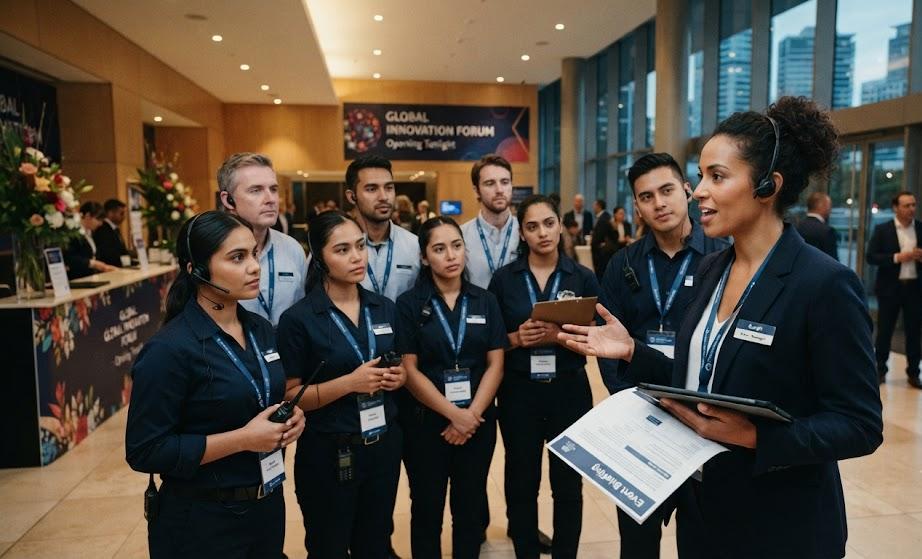
Effective event management hinges on seamless communication and coordination, making staff briefings indispensable. With the increasing complexity of events, ensuring that each team member understands their role, objectives, and event logistics is crucial. In 2026, as events scale up and evolve, the significance of well-structured briefings becomes even clearer. This article articulates ten essential points to consider when preparing for event staff briefings, ultimately contributing to the success of your gathering.
The Importance of Staff Briefings in Event Planning
Team briefings serve as the foundation for any successful event. They align team members on the event’s objectives, provide clarity regarding individual responsibilities, and enhance overall team cohesion. According to research by Harvard Business Review, organizations that prioritize clear communication are more effective in crisis situations. By investing time in briefings, you minimize confusion and foster collaboration on the event day.
1. Define Clear Objectives
Establishing a well-defined purpose for the event is essential. Whether the goal is to drive brand awareness, generate leads, or showcase a new product, a focused objective helps guide the planning process. During the briefing, articulate these objectives and explain how each team member is vital to achieving them, fostering a sense of purpose and empowerment.
2. Assign Roles and Responsibilities
Clarifying “who does what” is critical. From logistics teams to customer service representatives, clearly defined roles prevent task overlap and ensure accountability. A structured chain of command simplifies decision-making, particularly when unexpected challenges arise.
3. Review Event Logistics
Delve into the event’s logistics—timelines, layouts, transport plans, and other essential details. Utilize digital tools like Trello to keep everyone on the same page. This proactive approach avoids surprises and ensures that your team is prepared for the event flow.
4. Equip for Customer Interactions
Train your staff on key talking points and frequently asked questions. This consistency reinforces your brand’s message. Role-playing potential scenarios helps boost confidence, enabling team members to provide informed responses and retain genuine customer engagement.
5. Promote an Open Dialogue
Encourage questions during the briefing. This approach not only identifies planning gaps but also fosters a culture of trust and collaboration. Listening to team feedback strengthens overall morale and motivates members to feel invested in the event’s success.
6. Foster Team Motivation and Culture
A staff briefing is also an opportunity to energize the team. Celebrate past successes, acknowledge individual contributions, and reiterate the bigger picture. Motivated teams consistently outperform those without a shared sense of purpose.
A Comprehensive Checklist for Event Day Briefing
| Point | Description |
|---|---|
| Set Clear Objectives | Communicate the event’s main goals and desired outcomes. |
| Assign Roles | Clearly outline who is responsible for each task. |
| Review Logistics | Discuss timelines, locations, and communication methods. |
| Prepare for Customer Interactions | Train staff on key messaging and FAQs. |
| Encourage Dialogue | Invite team members to ask questions and provide input. |
| Motivate the Team | Share achievements and aspirations to boost morale. |
7. Limit Briefing Duration
Effective briefings should be concise, ideally lasting only 10 to 15 minutes. This timeframe allows you to cover essential topics without overwhelming your staff. Focus on key points, and save detailed discussions for follow-up meetings.
8. Utilize Visual Aids
Incorporating visual elements such as charts and slides during the briefing enhances understanding and retention. Visuals can clarify complex information, making it easier for team members to grasp their roles and responsibilities.
9. Implement Pre-Event Checklists
Prepare a checklist that outlines all critical aspects your team must cover during the briefing. This tool not only serves as a reminder for critical points but also ensures comprehensive communication.
10. Post-Briefing Follow-Up
After the briefing, send out a summary or meeting notes to reinforce key points. This practice reinforces communication and provides a reference for staff to revisit. Additionally, consider conducting a quick survey to gather feedback on the briefing process.