
Effective event risk management goes beyond simply avoiding disasters. It involves anticipating challenges and preparing contingencies that ensure event success. As event planners in 2026 face increasingly unpredictable circumstances—including health crises and climate threats—understanding how to manage risks proactively becomes vital. This guide explores the critical steps in crafting a robust risk management strategy for events and highlights best practices that not only safeguard attendees but also enhance overall event quality.
Start With a Risk Assessment (Before Anything Goes Wrong)
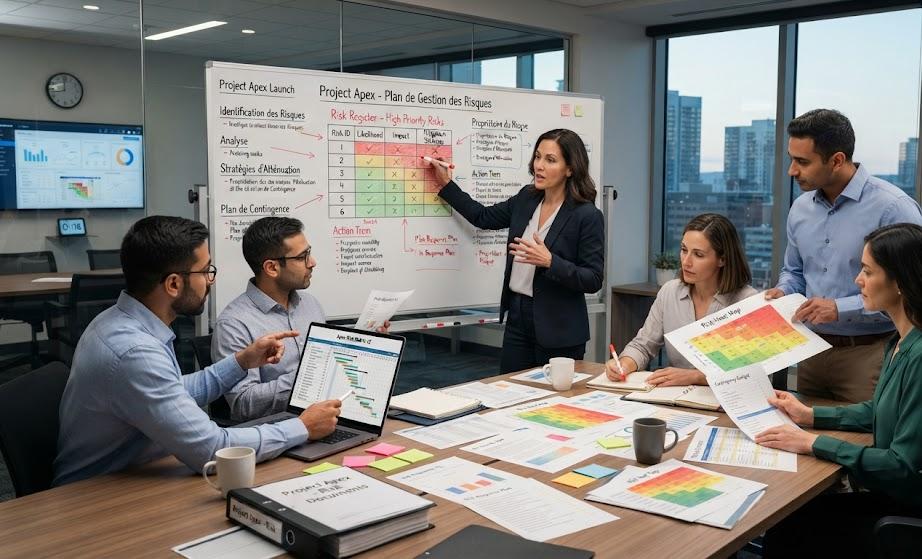
The first step in risk management is to understand what could go wrong. Create a risk register—a simple document listing possible issues, their triggers, their impact, and suggested responses.
Focus on risks across several categories:
- Safety risks: falls, crowd congestion, fire hazards, dangerous equipment, unsafe walking paths
- Weather and environmental risks: storms, extreme heat, poor air quality, power outages
- Operational risks: vendor delays, missing supplies, broken AV systems, staffing shortfalls
- Security risks: unauthorized entry, theft, aggressive behavior, suspicious objects
- Reputational and compliance risks: permit issues, noise violations, failure to meet accessibility requirements
For each risk, assign a likelihood and severity score. This helps you prioritize. Not every possible problem deserves equal attention—your goal is to focus on high-impact risks first.
Build an Action Plan for Each High-Priority Risk
Once you identify your top risks, develop a clear action plan. The goal isn’t to predict everything; it’s to ensure you know exactly what to do when certain scenarios happen.
For each major risk, define:
- Who is responsible (role-based ownership, not just names)
- What the immediate response is (first 5–15 minutes after discovery)
- How you will communicate internally and externally
- What gets paused or resumed (e.g., program timeline adjustments)
- When you escalate to leadership, authorities, or specialized vendors
For example, if there’s an equipment failure during a keynote, the action plan might include a backup microphone, pre-recorded slides, a designated “runner” to swap devices, and a short script for the host to keep momentum.
Design Contingencies That Keep the Experience Moving
Risk management shouldn’t only focus on preventing harm—it should also preserve the guest experience. The best contingency plans include operational “fallbacks” that reduce downtime.
Consider building redundancy into your event structure:
- Backup power for critical equipment (if feasible)
- Spare cables, batteries, adapters, and essential tools
- Extra staff coverage for check-in, ushers, and technical support
- Alternative indoor/covered routes for weather scenarios
- Clear crowd-flow design (queue control, signage, barriers where needed)
Even small adjustments—like having water stations ready on hot days—can prevent comfort issues from escalating into safety problems.
Strengthen Communication With Clear Protocols
Many event crises become worse due to confusion. When something unexpected occurs, people need to know: Who decides? Who informs? Who coordinates actions?
Create a communication structure with:
- A command lead (event director or incident manager)
- A point of contact for each department (AV, security, operations, guest services)
- A reliable channel (radios, messenger group, or a command desk)
- A template for announcements (what to say and how often updates should be given)
Communication should be fast but controlled. Decide in advance what can be shared publicly and what must stay internal, especially for safety or security incidents.
Plan Staffing and Vendor Support for “Normal + Crisis” Days
Your team is your first line of defense. Risk management includes training and readiness, not only logistics.
Actions to take before the event:
- Brief all staff on escalation steps and where to go during emergencies
- Confirm vendor contracts and service-level expectations (response time, on-site coverage)
- Assign roles for incident scenarios (e.g., triage support, crowd monitoring, technical rescue)
- Do a walkthrough so everyone understands exits, access routes, and critical zones
When staffing changes during the day—such as shift handover—brief incoming staff so they understand what risks are active and what procedures are underway.
Prepare for Safety and Compliance With On-Site Checks
Safety is not a last-minute task. Perform checks that reduce the most common hazards:
- Confirm emergency exits are accessible and clearly marked
- Verify first aid supplies and the location of trained responders
- Check electrical setups, cables, and trip hazards
- Ensure seating and staging are stable and properly installed
- Confirm security coverage matches crowd size and venue layout
Additionally, review relevant rules and permits. If your event requires compliance for capacity limits, noise restrictions, or accessibility services, build a verification step into your setup process.
Review and Improve After the Event
Risk management continues after the final guest leaves. A strong post-event review captures lessons learned so your next event is safer and smoother.
Collect feedback from staff and vendors about:
- What went well under pressure
- What caused delays or confusion
- Which contingency plans worked—and which didn’t
- What new risks appeared during the event
Then update your risk register and procedures accordingly.
Conclusion: Prepare Thoroughly, Respond Calmly, Stay in Control
Event risk management is about reducing uncertainty and building readiness. By conducting a risk assessment, creating action plans, strengthening communication, and preparing contingencies, you protect people and keep your event running—even when unexpected situations arise. The best events don’t just plan for the ideal scenario; they manage risk so they can respond calmly, efficiently, and confidently when reality changes.